The Estate
Seven centuries
of history.
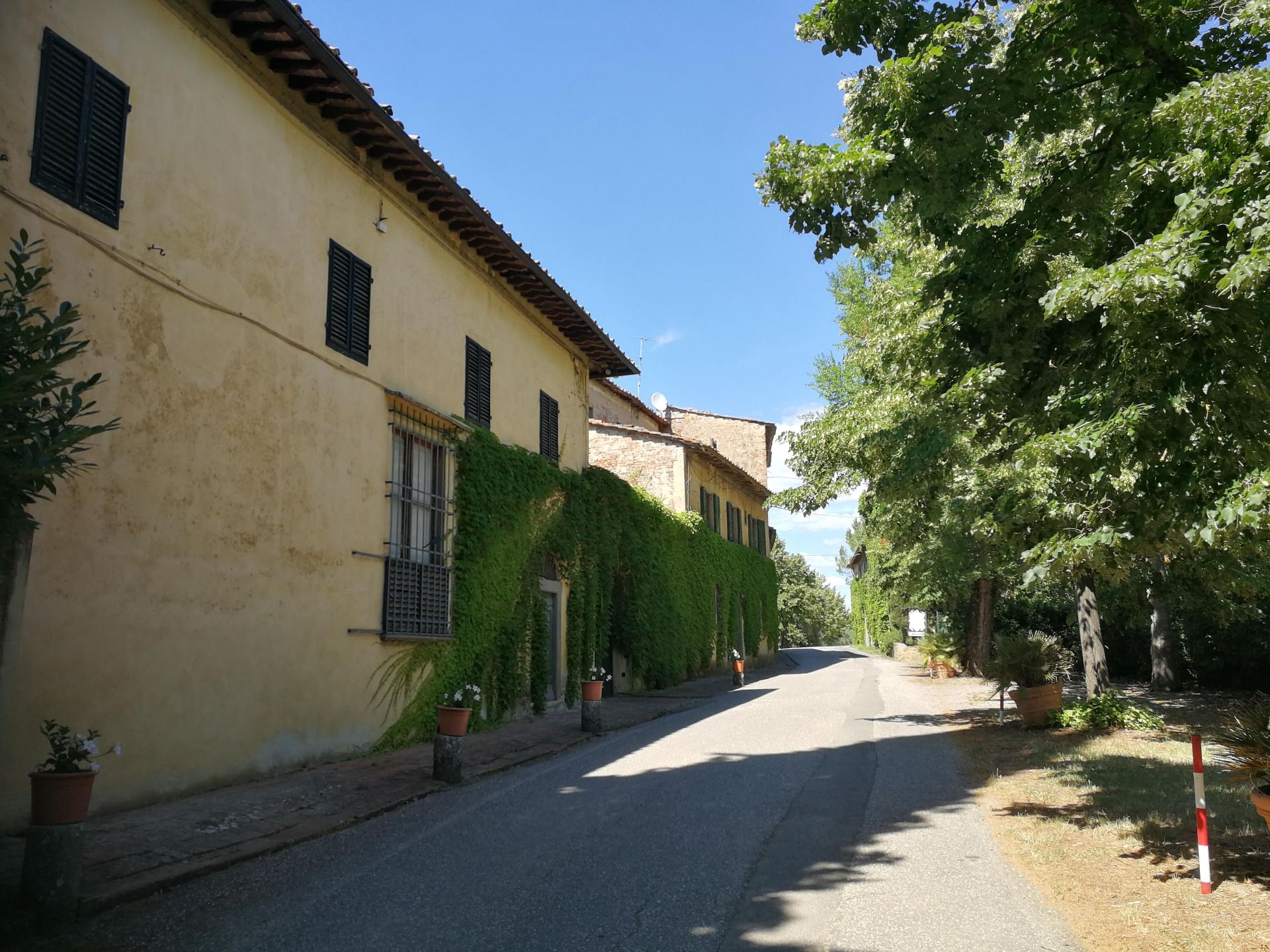
Fattoria I Sassoli is an organic estate of about one hundred hectares in the municipality of Scandicci, at San Vincenzo a Torri, fifteen kilometres from the centre of Florence: a classic Chianti farm on the hills of Roveta.
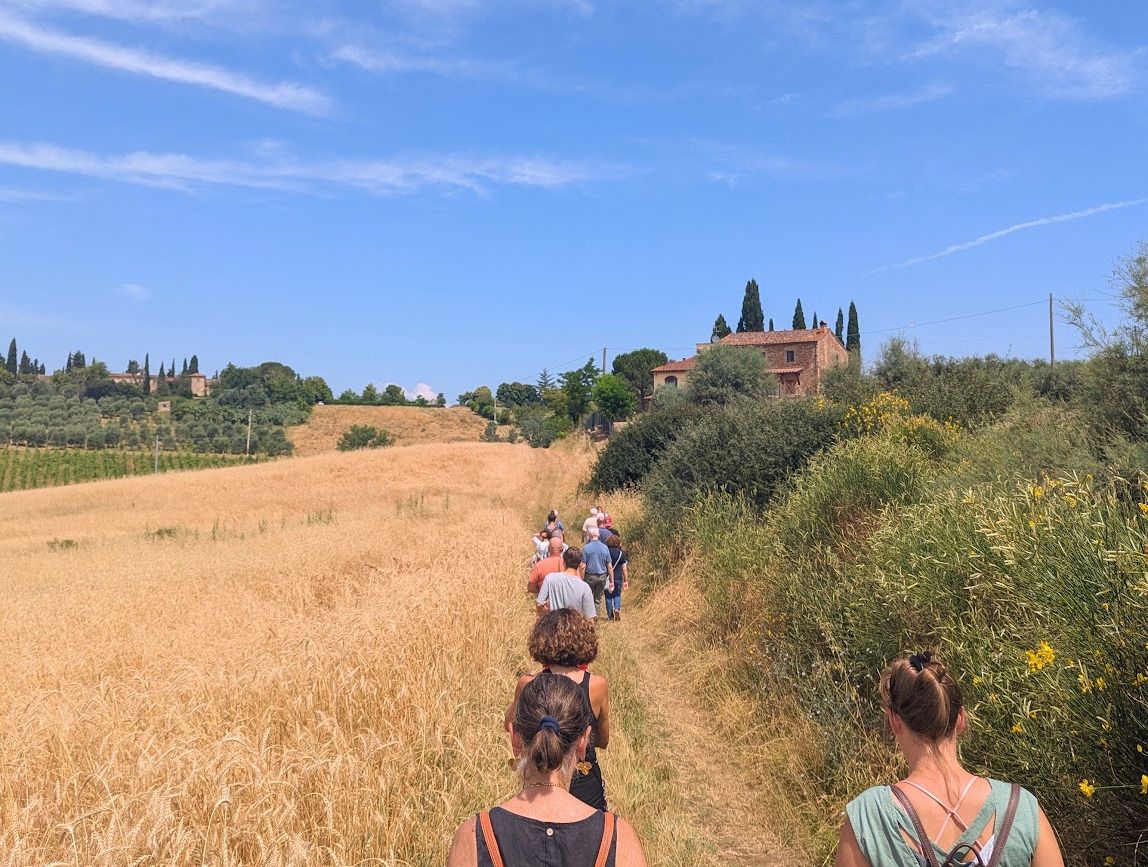
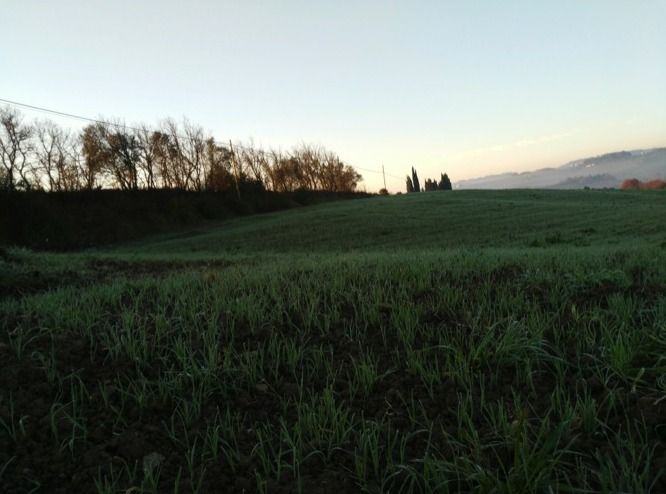
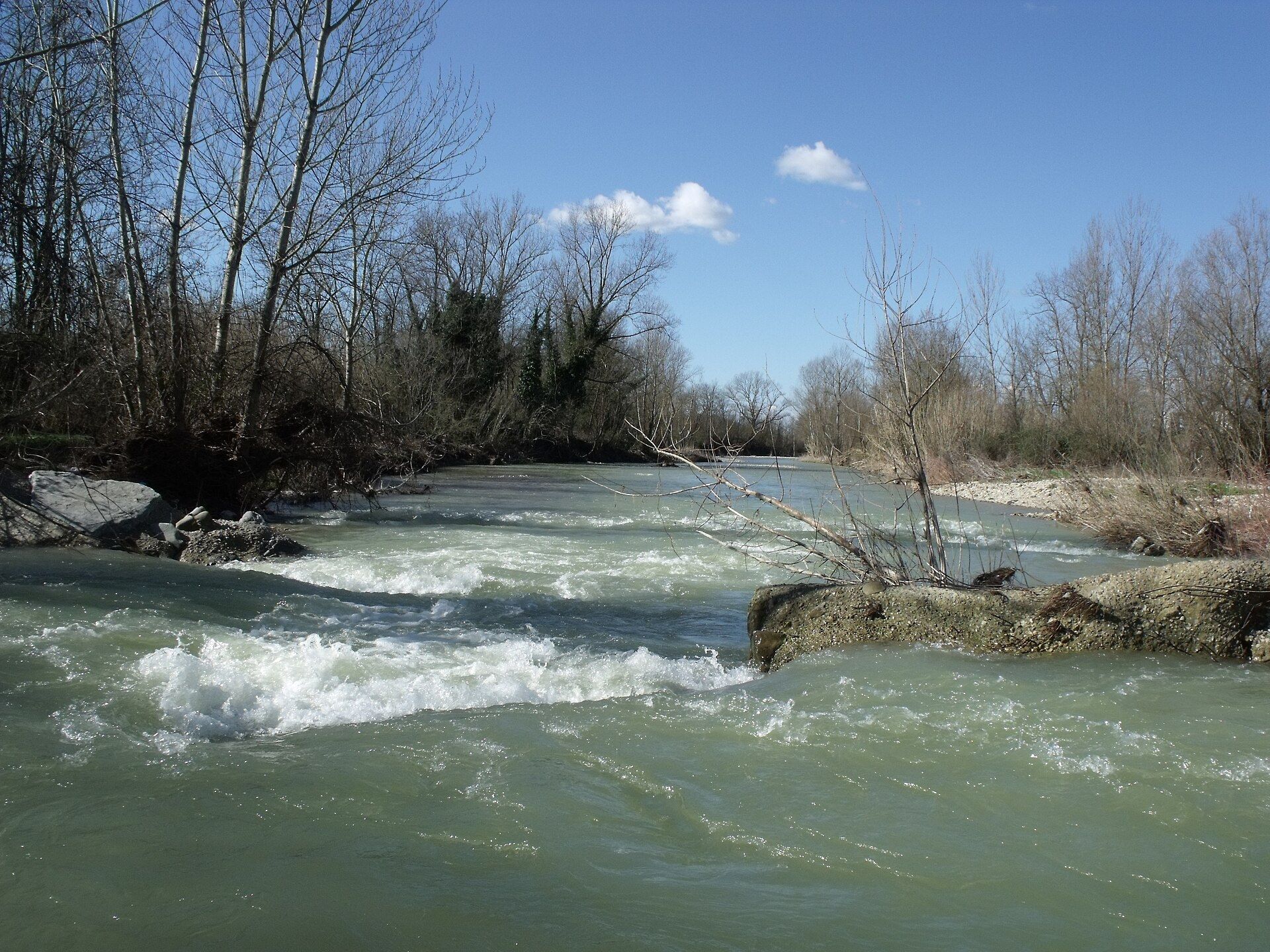
The vineyards, fields and farm buildings lie on the right side of the valley of the river Pesa. The hills face west and south-west: the sun reaches the land in the morning and leaves it only at sunset.
The name
Fattoria I Sassoli is a proper name and stays in Italian. «Fattoria» means farm; «sassoli» are small stones, pebbles. The name is an old one: it already appears in a record from 1300, and the farm still bears it today.
History
- 1300
The tower
The name Sassoli first appears in a record from 1300 that mentions a tower. It is probably the one that still rises south of the two farm buildings: a lookout over the river Pesa, watching the traffic on the road between Montelupo and Cerbaia for the Abbey of Badia a Settimo, whose lands then reached as far as the river.
- 1313
The first deed
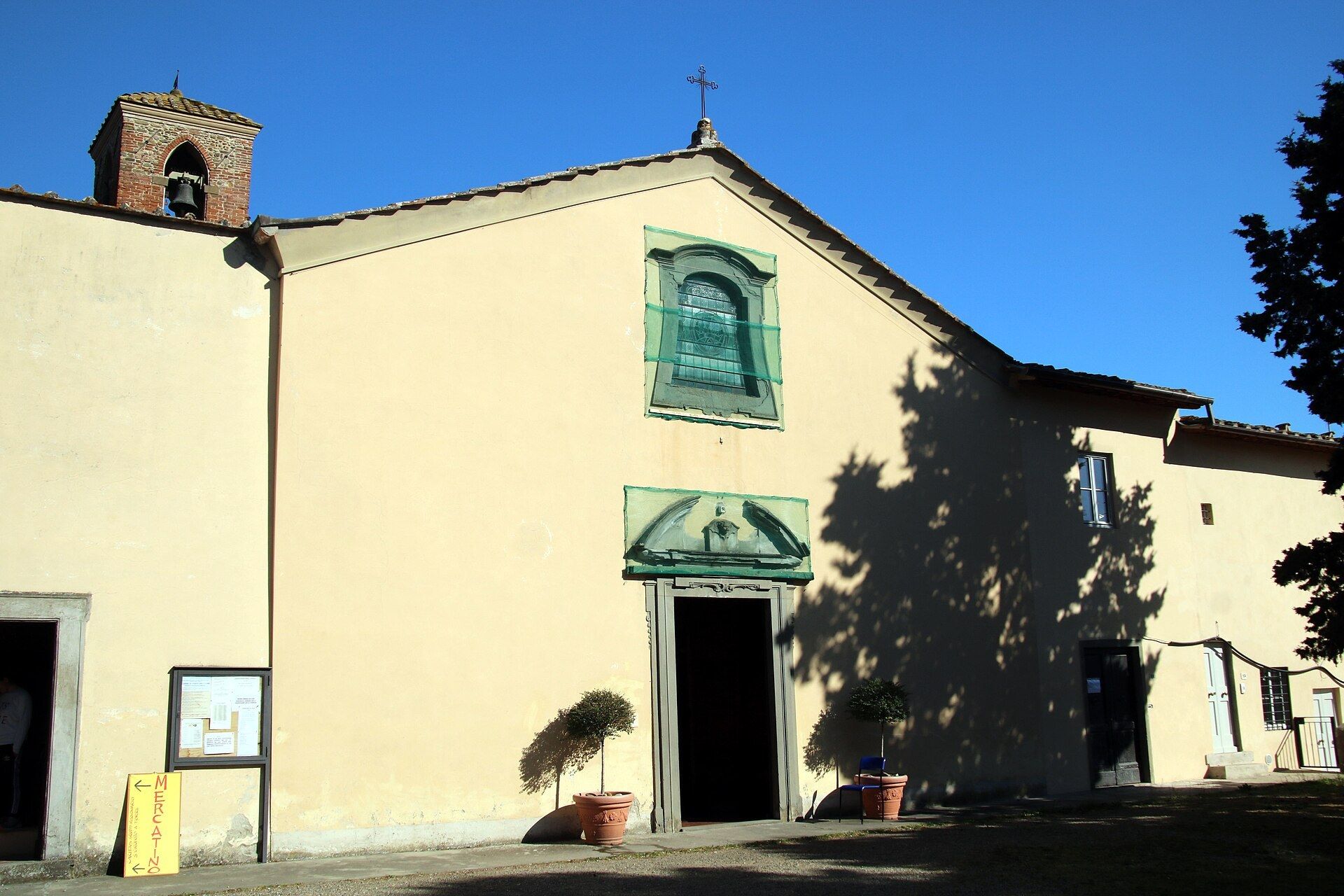
The first certain record is a notarial deed of 1313, describing I Sassoli as “a house with a portico and a plot of land”. The written history of the estate begins here.
- 1900s
The inventory
An inventory from the early twentieth century describes life on the estate: wine-making, a recipe for vermouth, and straw for hats from the Poggio Tondo farm, with every step of the bleaching process.
- 1911
Eleven farms
An insurance policy of 1911 counts eleven farms. They grow several kinds of wheat, oats and seed, and a great deal of straw: farm women plait it by hand for hats, as in many villages around Florence. The Casarza and Poggio Tondo farms produce the most.
- Today
The organic estate
Today all one hundred hectares are farmed organically. Wine, heritage wheat and an ancient cellar: every stage of production, from harvest to ageing, takes place on the estate.
The land
A land of clay
and stones.
The hills slope gently; only a tenth of the land is flat, on the valley floors. The soil comes from the slow breakdown of Pliocene and Pleistocene rocks, and today it is what agronomists call “medium-textured”: sand, silt and clay in balanced proportions, neither too heavy nor too loose.
Here clay prevails a little and holds the water vines need in dry summers. The soil is full of stones and rock fragments, its “skeleton”: they let rain drain away, warm the ground and push the roots to search deep down. It is ideal land for vines and olive trees.
Organic
Vines and fields are farmed organically: no weedkillers or synthetic fertilisers. Only respect for the pace of the land and the seasons.
Made on the estate
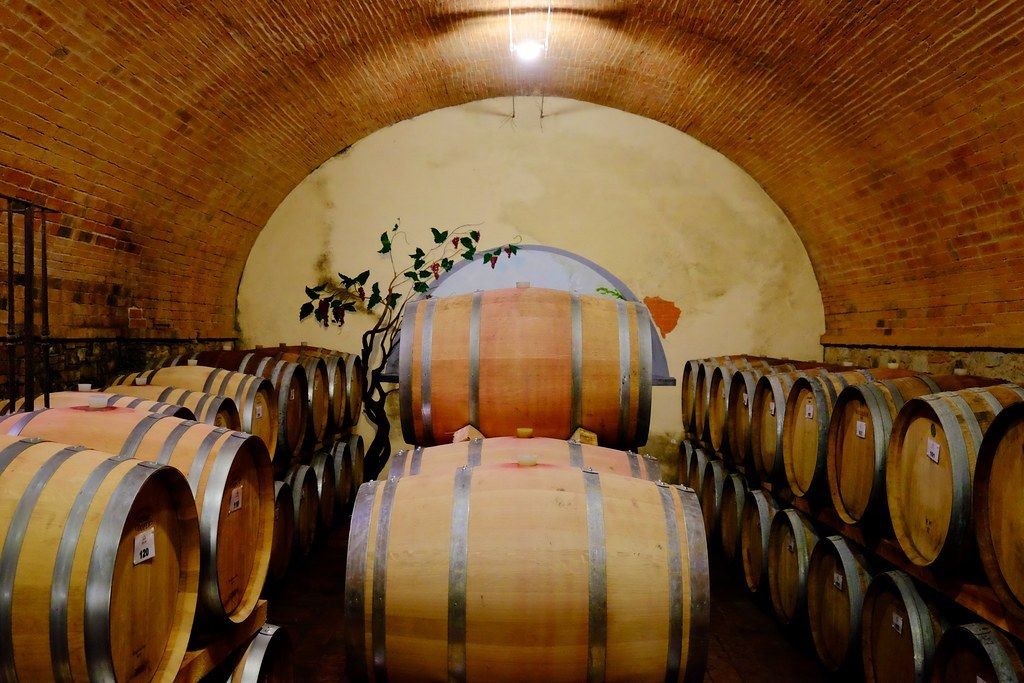
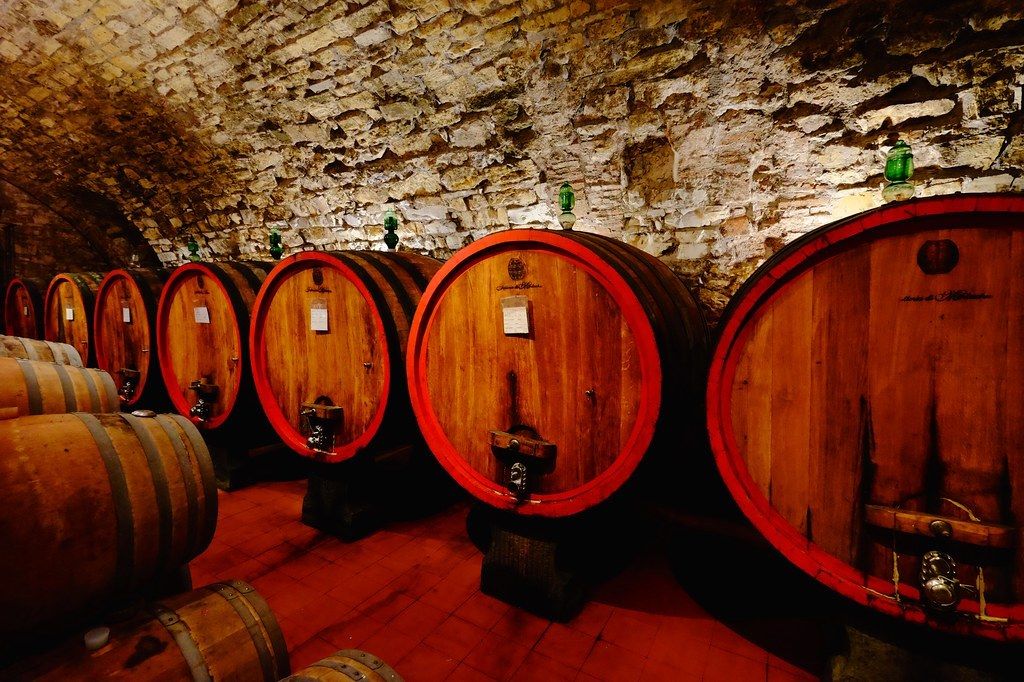
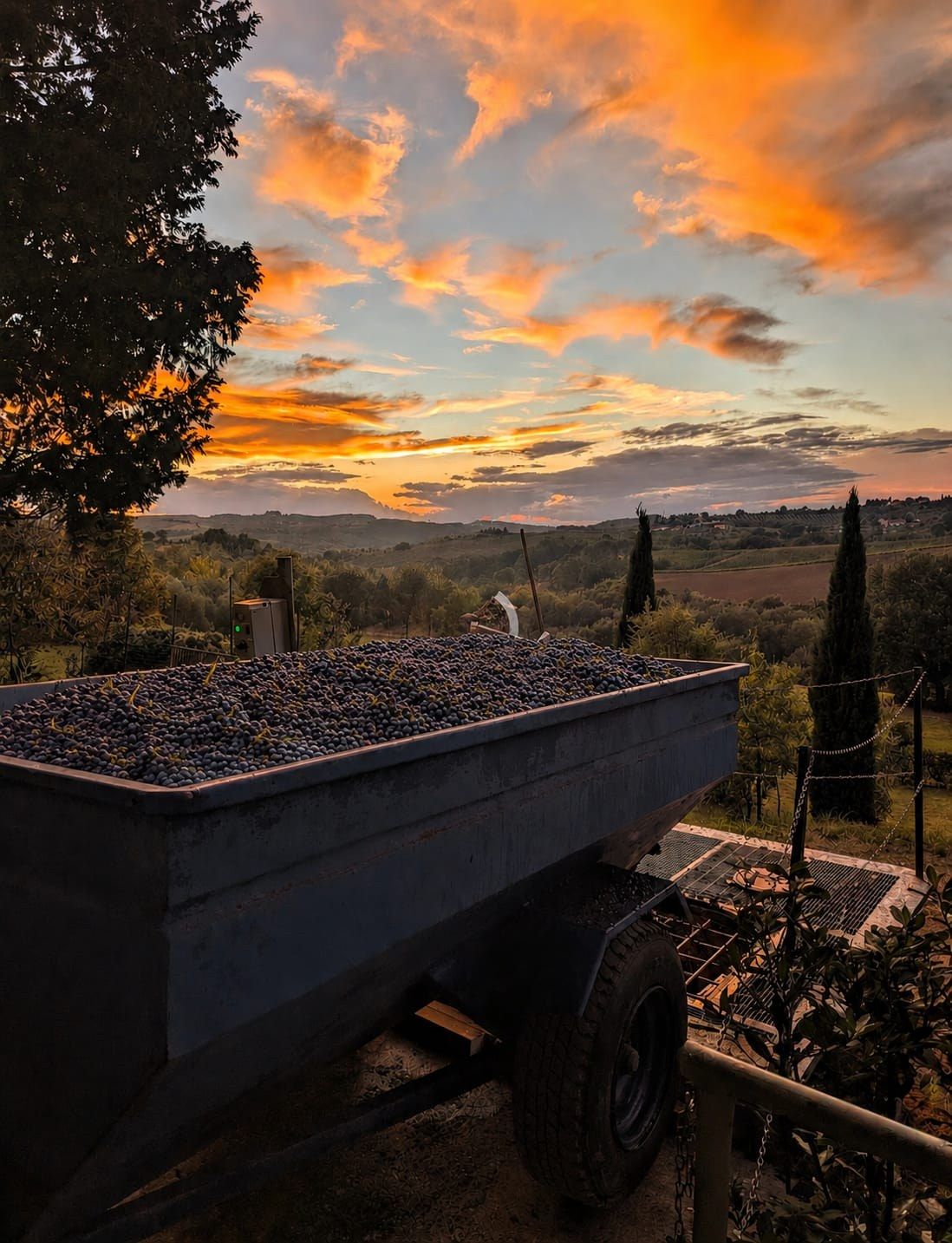
From harvest to ageing, every step happens here: the picked grapes go to the vat room to ferment, then the wine goes down to the ancient cellar to age in oak casks.
Quality over yield
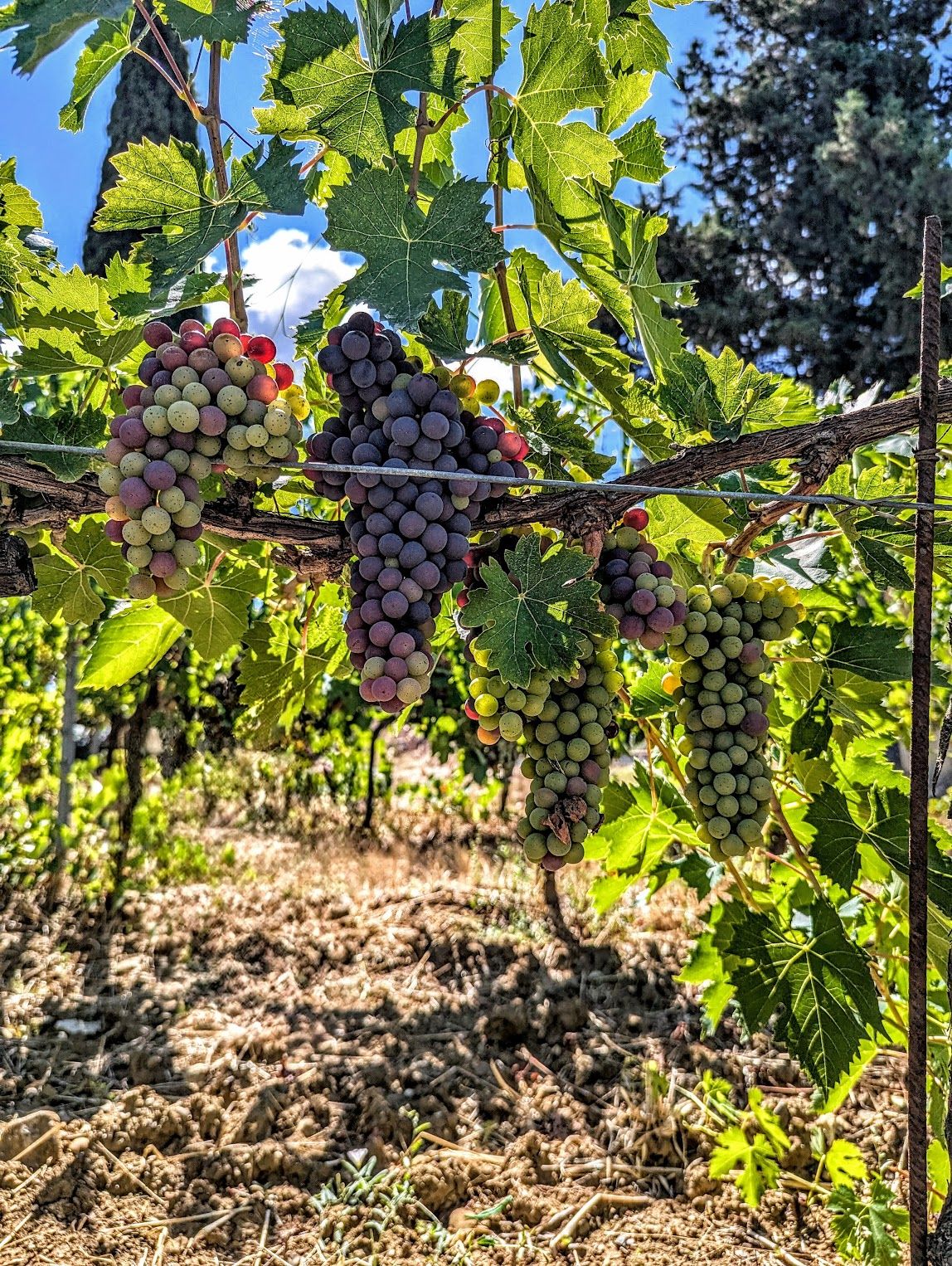
High-density vineyards of about five thousand vines per hectare: each vine bears fewer bunches and the wine gains in character and quality.
The wine
Wine
from our own vines.
The estate's vineyards give a Chianti Colli Fiorentini DOCG and a Toscana IGT, made exclusively from organic grapes. The vines were planted on the best-suited land of the estate, facing south and south-west.
Chianti Colli Fiorentini follows stricter rules than Chianti DOCG: lower yields and a longer wait, as the wine may not be released before the September following the harvest.
The grain
Senatore Cappelli,
a heritage wheat.
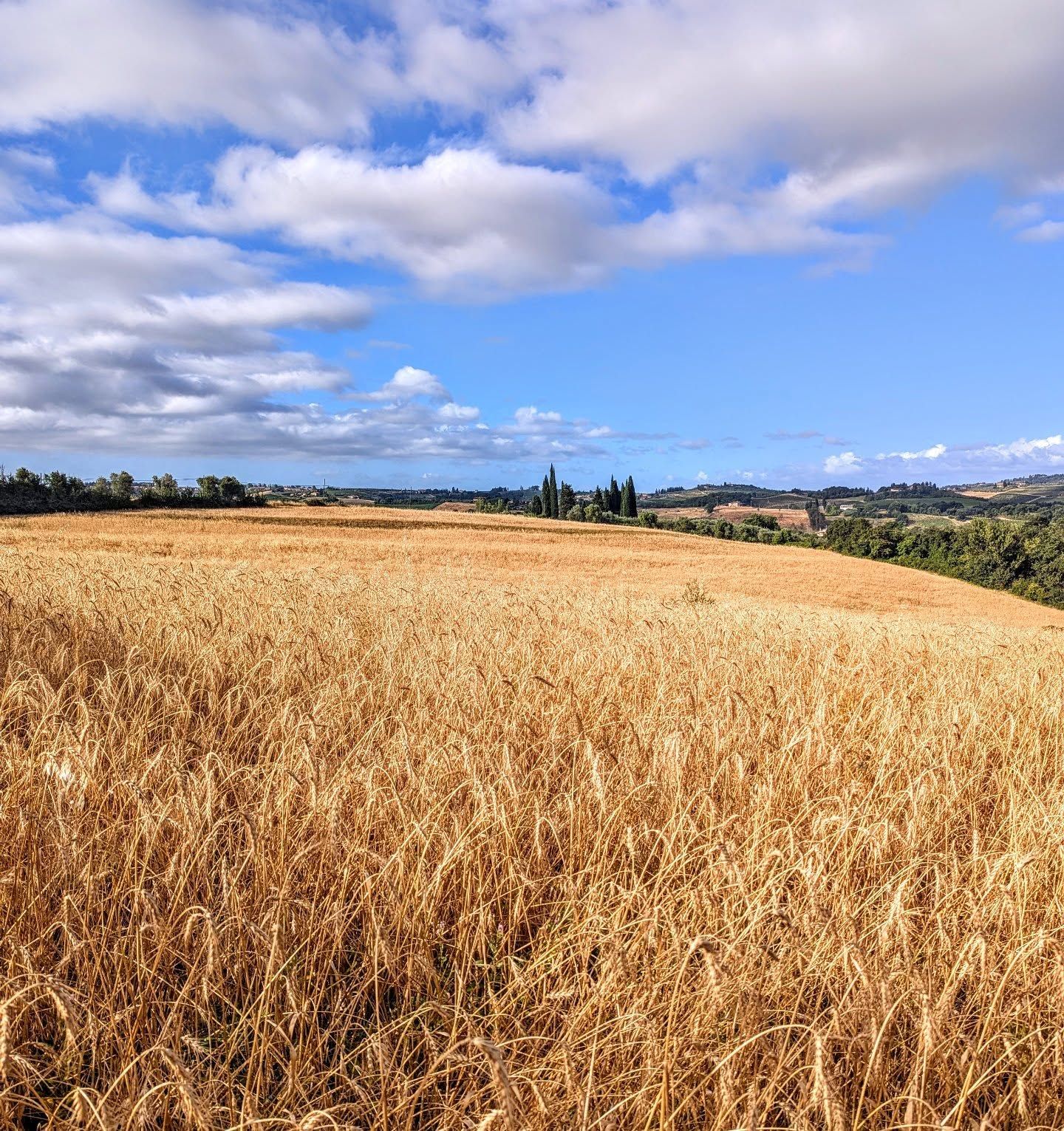
Wheat has been grown on the estate for more than a century: the 1911 insurance policy already recorded it. A few years ago we decided to return to heritage grains. For our pasta and flour we chose Senatore Cappelli.
It was selected in Foggia in 1915 by Nazareno Strampelli and for decades was the most widely grown durum wheat in Italy, until shorter, higher-yielding varieties replaced it. It is a tall plant, around one metre eighty, never altered to increase its yield.
We follow its whole journey, from seed to finished product, on our own land. It yields less than modern wheat, but it keeps the flavour and aroma of old-fashioned pasta.
At the estate
The estate
in pictures.